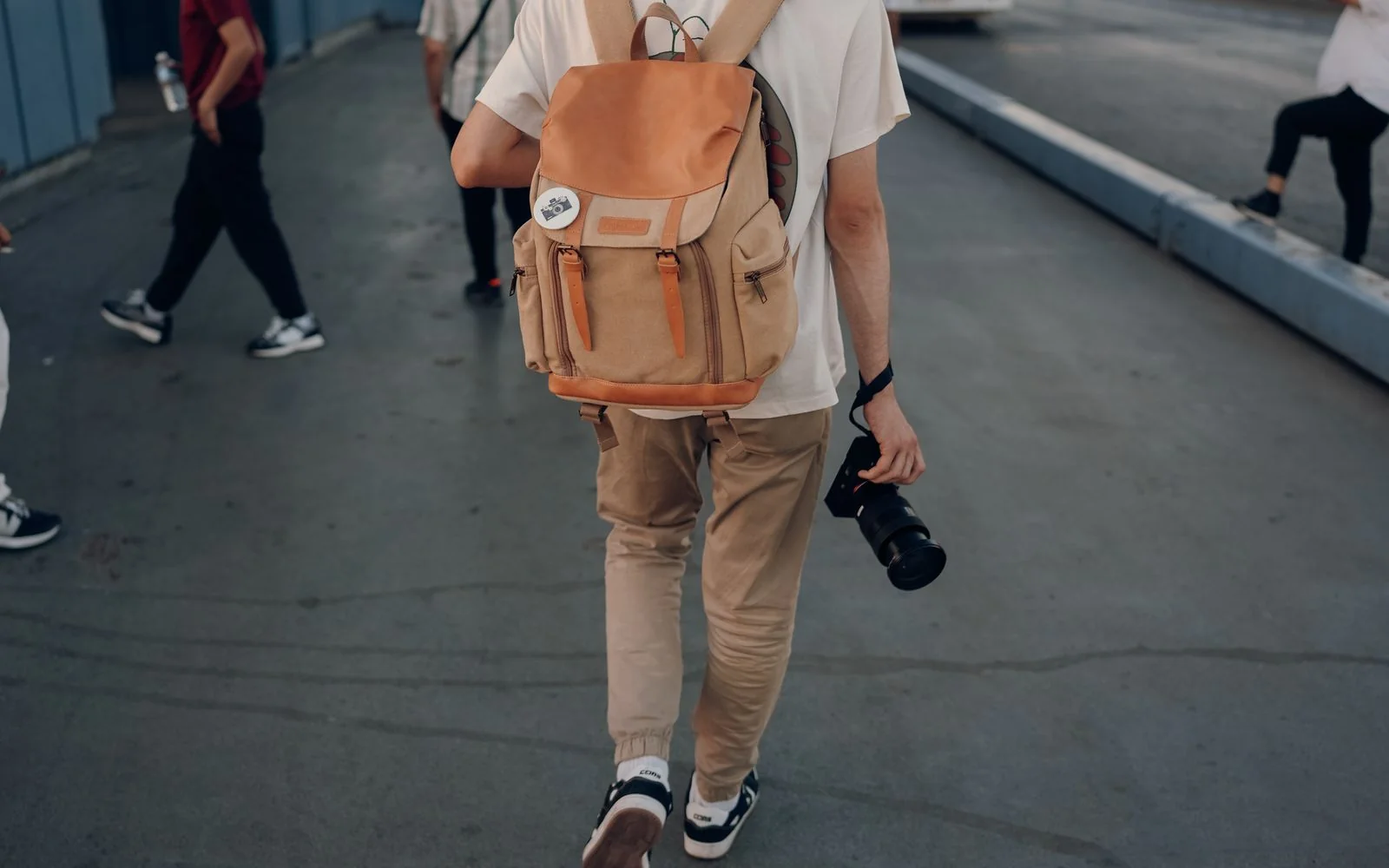
On a city weekend, Chloe carries one camera, two small lenses, a water bottle, and a light jacket. She wants quick access without advertising expensive gear or arriving at dinner with a bag shaped like a padded equipment cube.
That ordinary moment is the right starting point for this guide. The goal is not to collect the longest specification sheet. It is to identify the purchase that removes a repeatable inconvenience without introducing a larger one—more bulk, more accounts, more cable management, or a feature set that no one in the household understands.
Quick verdict
Choose a discreet camera bag as an everyday bag first: comfort, access direction, weather protection, and removable organization matter. The smallest kit that covers the day is usually the best security strategy.
Start with the life you actually live
Before comparing models, replay a normal week. Note where the product will sit, who else will touch it, which devices must work with it, and what happens when the battery is empty or the network is down. A product can be capable and still be wrong for the room, bag, or routine.
We use three filters below. Each one is deliberately practical: it should help you remove unsuitable options, explain a tradeoff to another household member, or decide whether an upgrade deserves its price. Published specifications were checked against manufacturer materials on August 4, 2026; availability and configurations can change.
Three buying priorities
1. Lay out the exact camera kit plus ordinary items before choosing capacity
Write this requirement down before opening merchant tabs. Lay out the exact camera kit plus ordinary items before choosing capacity. That single sentence turns a broad product search into a decision you can check. It also prevents a premium feature from distracting you from the daily job described in the opening scene.
Use the first comparison below as a reference point, not an automatic winner. The meaningful question is whether its strengths solve your named constraint and whether its tradeoff remains acceptable after the excitement of unboxing.
2. Check whether access opens against the body and whether zippers can be managed in crowds
Check whether access opens against the body and whether zippers can be managed in crowds. Map it against the devices, furniture, people, and routines already in the space. Published specifications are useful here, but only when translated into the exact cable path, carrying habit, platform, or control sequence you will use.
Check the exact regional model, included accessories, supported devices, and current documentation before ordering. Product-family names often cover several configurations, and a retailer title may omit the difference that matters to your setup.
3. Use removable inserts so the bag remains useful on non-camera days
Use removable inserts so the bag remains useful on non-camera days. This is the ownership check: imagine setup on a rushed weekday, then maintenance after six months. Finally, favor the option whose limitation you can live with over the one whose headline feature you may never use.
If two choices survive, prefer the one that is easier to return, maintain, and explain. The best long-term purchase is often the product with fewer surprises rather than the one with the most ambitious ceiling.
Three product families worth comparing
These are comparison starting points, not scored winners. We do not publish invented numerical ratings, and we do not present merchant pricing as fixed. Follow the manufacturer source for current compatibility information, then use the retailer link to check the current configuration, availability, and return terms.
Peak Design Everyday Backpack
A useful benchmark for camera-specific organization in an urban form
Tradeoff: Its structured design and visual identity are still recognizable to some.
Bellroy Venture Ready Pack
Worth comparing when the bag should work beyond photography
Tradeoff: Camera protection may require a separate padded cube.
WANDRD PRVKE
A relevant comparison for adaptable access and larger kits
Tradeoff: Roll-top and camera features add bulk when carrying minimal gear.
What not to overpay for
Do not assume a subtle exterior alone prevents theft, and do not overpack until a comfortable bag becomes conspicuously heavy. Keep insurance and backups in the broader plan.
Feature inflation is particularly easy in consumer technology because larger numbers and longer lists are simple to compare. Ownership is less tidy. A feature only has value when your device supports it, your room permits it, and your routine reaches it often enough to notice. Spend first on fit, compatibility, build decisions that affect daily handling, and a return path when fit cannot be known in advance.
Accessories also change the real total. Before treating one option as the cheaper choice, add the cable, mount, adapter, case, memory, subscription, replacement media, or hub the setup actually requires. If those extras solve a real constraint, they belong in the budget. If they merely complete a marketing picture, pause.
Pre-purchase checklist
- Lay out the exact camera kit plus ordinary items before choosing capacity.
- Check whether access opens against the body and whether zippers can be managed in crowds.
- Use removable inserts so the bag remains useful on non-camera days.
- Read the exact model's manufacturer documentation and current retailer return terms.
- List required accessories and any recurring service cost before comparing totals.
- Choose the limitation you can accept; no option is best for every person and room.
Frequently asked questions
What matters most when choosing camera bags that do not look like camera bags?
Begin with this requirement: lay out the exact camera kit plus ordinary items before choosing capacity. It narrows the market around the situation you are actually trying to improve. Compatibility and physical fit should be confirmed before secondary features.
Is the most expensive option usually the safest purchase?
No. Higher prices often add capacity, ecosystem features, premium materials, or specialized controls. Those can be worthwhile, but only when they solve a named need. Do not assume a subtle exterior alone prevents theft, and do not overpack until a comfortable bag becomes conspicuously heavy. Keep insurance and backups in the broader plan. A less elaborate product can be the stronger purchase when its limits line up with your routine.
How should I use the product links in this guide?
Use them to check current configurations, availability, and merchant terms after reading the tradeoffs. Manufacturer links below are the better place for compatibility details. Some retail links are active affiliate links and are marked with sponsored link attributes; our editorial framing does not change because of that status.
Sources and further reading
Product availability and documentation checked August 4, 2026. Manufacturer materials are primary references; retailer listings should be cross-checked against the exact model.
Manufacturer materials are primary references; retailer listings should be cross-checked against the exact model.